Every time a mop bucket bubbles in a Manhattan office or a window cleaner squeegees a high-rise pane, a choice is being made about health, cost, and environmental impact. For property managers, small-business owners, and residents who hire cleaning services in NYC, those choices add up. Impeccable Cleaning NYC has spent years testing products in real urban settings, and the pattern is clear: using the right eco-friendly supplies saves money over time, improves indoor air quality, and reduces Impeccable Cleaning NYC Cleaning services in NYC complaints about odors or residues — but only if the team understands product limits and application technique.
Why invest in green cleaning
The immediate selling point is simple, and persuasive: customers increasingly ask for sustainable options. Beyond marketing, there are hard operational reasons to switch. Many conventional cleaners rely on volatile organic compounds that irritate eyes and respiratory systems, which can raise sick-day rates in office environments. For restaurants and medical facilities, residues from harsh chemicals interfere with compliance checks and can damage sensitive surfaces. In high-density environments like New York City, small changes scale quickly. If a single midtown office reduces solvent use by 60 percent, the cumulative effect across multiple clients becomes measurable.
There are trade-offs. Not every eco-labeled product disinfects to hospital-grade levels. Fragrance-free does not automatically mean hypoallergenic. Some concentrated plant-based cleaners perform poorly on heavy grease unless paired with mechanical action or longer dwell time. The practical skill is matching product, task, and technique. That is what separates a well-intentioned swap from an effective operational upgrade.
How Impeccable Cleaning NYC evaluates a product
When we test a new cleaner, the process is hands-on and pragmatic. First, we define the job: glass, hard-floor maintenance, restroom disinfection, upholstery, or kitchen degreasing. Next, we test in situ, not just in a lab. A floor compound that shines in a quiet showroom can fail during a busy lunch rush. We record three metrics: cleaning effectiveness, residue or streaking, and worker safety — including slip risk after application. Finally, we log cost per effective use, factoring dilution rates and labor time.
A quick example: a coconut-derived degreaser looked promising on manufactures specifications, but in a busy deli it required two passes to remove burnt-on grease. The time penalty made it more expensive per clean than a stronger solvent applied properly and rinsed. We kept the product for lighter jobs and found a true win when combined with microfibre pads and higher-temperature rinse steps. Practical wins like this are why hiring a Commercial Cleaning Company familiar with eco-products matters; they know the adjustments that keep efficiency high.
The core categories every cleaning service should reconsider
Bathrooms and restrooms demand cleaners that remove organic soils and sanitize without leaving strong fragrances that trigger complaints. Hard floors need neutral pH cleaners that preserve finish without film. Glass and mirrors require streak-free surfactants that dry quickly in variable indoor humidity. Kitchens require degreasers that balance power with worker safety and surface compatibility.
Laundry is often overlooked. Many commercial laundries operate at lower temperatures to save energy, so detergents must be formulated to perform in cold water. That changes which enzymes or builders are effective. Microfibre cloths and mop heads carry more soil and require different laundering protocols than cotton, so laundering chemistry matters too.
Products we trust and why
Rather than list brands that may change, focus on product characteristics that deliver reliable performance in New York conditions.
- concentrated formulations with clear dilution instructions, which reduce packaging waste and lower transport footprint low or no added fragrance for tenant comfort and fewer allergy complaints biodegradable surfactants and builders, ideally certified by recognized third parties disinfectants registered for the intended use; for high-risk areas choose products with explicit EPA registration or hospital-grade claims when required packaging that is recyclable or refillable to minimize landfill contributions
These attributes reduce hidden costs. Concentrates mean fewer deliveries and lower storage needs in cramped NYC janitor closets. Low-fragrance products reduce tenant service requests. Recognized certifications protect your business when auditors or clients ask for verification.
A pragmatic checklist for choosing eco-friendly supplies
Use this short checklist when evaluating a product for daily operational use.
Does the product have third-party verification or certification that matches the intended claim What is the dilution rate and the cost per effective application How does it perform in the actual environment under normal working conditions Does it require changes to technique, equipment, or rinse steps What are the disposal and storage requirements in an urban buildingIf a product fails any of these checks, it still might fit a niche role, but do not deploy it broadly without a field trial.
Application technique matters more than label claims
A neutral cleaner applied in too large a quantity will leave a dull film. A powerful enzyme-based carpet cleaner needs sufficient dwell time to digest proteins; rushing the extraction shortchanges performance. Microfibre technology transformed surface cleaning, but only when paired with correct wringing and laundering protocols. Microfibre cloths trap oils and bacteria efficiently, then release them during the wash cycle only if washed with the right chemistry and temperature settings.
In practice, training has the biggest impact on outcomes. We once implemented a new botanical glass cleaner with an optimistic vendor video. After a week, window complaints rose. The root cause was not the product but the application: technicians were overspraying and using coarse paper towels. A short workshop that demonstrated proper dilution, a light spray, and a single-pass squeegee fixed the problem and reduced product consumption by 35 percent.
Dealing with stubborn soils without reverting to harsh chemicals
There will always be tasks that resist mild cleaners: burnt-on grease, heavy mineral scale, and institutional mold in poorly ventilated basements. The ethical approach is to tier responses. Start with the least hazardous effective option and escalate only when necessary, documenting why stronger action was needed. For very stubborn grease, a solvent-based product may be warranted for an infrequent deep clean, followed by a shift back to green maintenance products. For scale, mechanical descaling and softened water systems often reduce the need for aggressive acids.
This graduated strategy protects people and surfaces while keeping the operation credible. It also helps when clients ask why a low-emission program requires occasional exceptions. Transparency builds trust: provide a short statement to clients that explains the tiered approach and the safety steps taken during escalations.
Cost realities and lifecycle thinking
Clients often assume that eco-friendly means significantly more expensive. At first glance, some products do cost more per bottle. When you compare effective cost per cleaned square foot, factoring dilution, labor, and frequency of rework, the picture changes. Concentrates and refillable systems frequently reduce total cost of ownership. Less volatile products can reduce worker sick days and the need for expensive incident responses. In the long run, investing in higher-quality microfibre mops and cloths pays off through longer life and better soil capture.

A real-world number: switching a medium-sized office building to concentrated refill systems for general cleaning reduced our monthly delivery trips by 40 percent and lowered packaging waste by an estimated 30 kilograms per month. Labor stayed constant because the team only needed slight technique adjustments. Those operational savings often offset higher unit costs within six to nine months.
Communication and client education
Clients do not automatically understand the operational consequences of green cleaning choices. A client might demand no chemicals, only to find persistent odors or visible streaks. The solution is clear, simple communication. Offer a short, one-page service plan that lists what is changing, why, and what to expect during the transition period. Include measurable outcomes, such as reductions in VOC readings if you can provide them, or metrics like fewer tenant complaints and decreases in cleaning supply deliveries.
A persuasive approach for property managers is to draft a seasonal plan. In winter, when ventilation is limited, prioritize low-VOC and low-odor products. In summer, when humidity amplifies residues, increase rinse frequency for high-touch areas. These concrete recommendations demonstrate that eco-friendly cleaning is not a marketing promise but a thoughtful, adaptive service.
Regulatory considerations and certifications
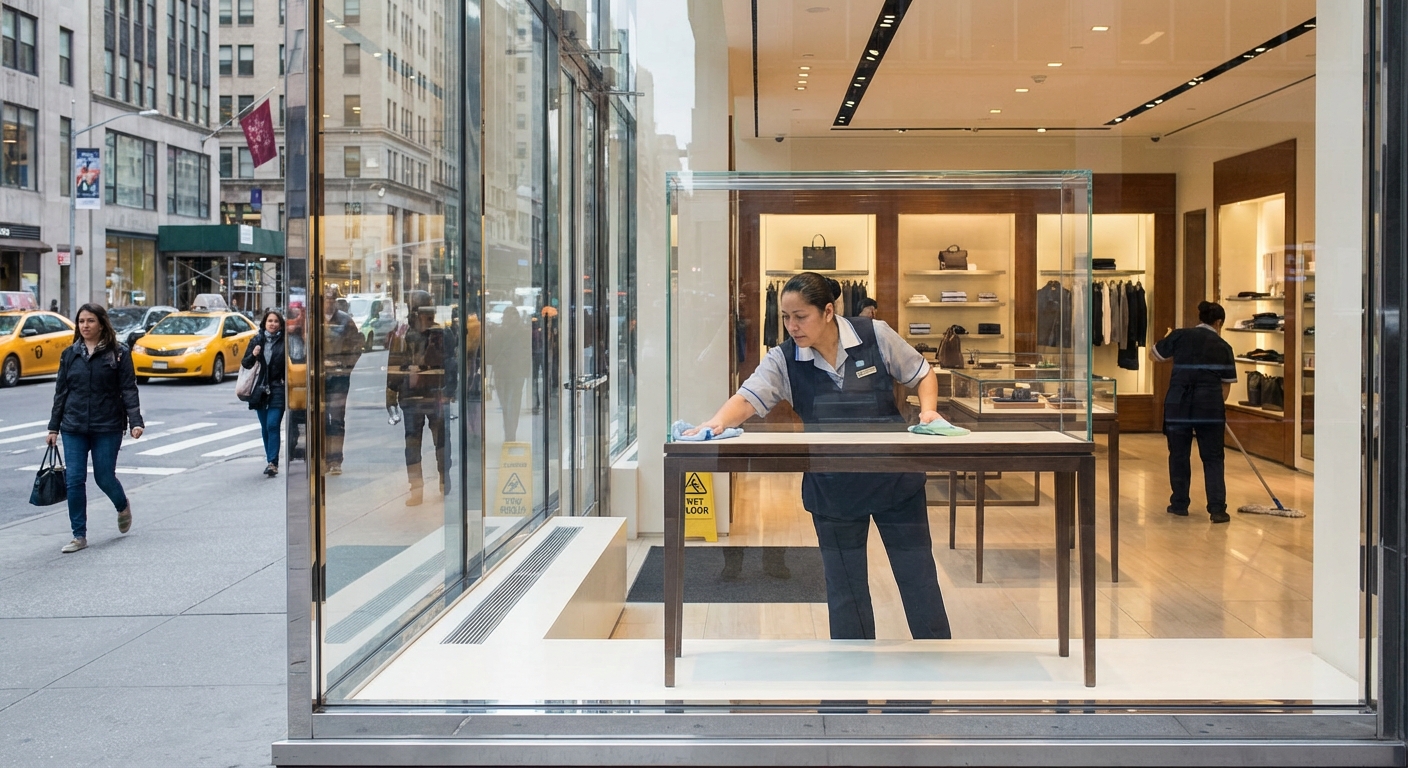
New York City has specific waste handling and chemical storage rules that affect janitorial operations. Hazardous materials labels and Safety Data Sheets must be maintained and available. When selecting products, choose suppliers who provide detailed SDS documentation and clear instructions for disposal in municipal systems. Some certifications can help but are not a substitute for compliance. If a product claims to be nonhazardous yet contains an active disinfectant that requires special disposal, the label and SDS should make that clear.
For clients who require green certification for buildings, aligning cleaning operations with programs such as LEED or WELL is possible. The key is documentation: use vendors that supply certificates, batch codes, and test results. That traceability proves compliance and helps when owners compile reports or pursue certification.
Small changes that deliver big wins
The following practical examples show where modest investments yield real change. Swap paper towels for reusable microfiber roll towels in staff-only areas and set up a weekly laundering routine; you will cut paper use and purchasing by a noticeable margin. Replace aerosol disinfectants with trigger-spray concentrates and refillable bottles; delivery frequency drops and odor complaints fall. Use color-coded microfibre systems to prevent cross-contamination while also reducing chemical needs through targeted cleaning.
We implemented a targeted microfibre program for a high-rise residential lobby and saw a 20 percent reduction in cleaning time for handrails and glass after three months. Tenants commented on fresher air and fewer chemical smells. The upfront cost of microfibre and a labeled cart system paid back quickly through time savings and fewer service calls.
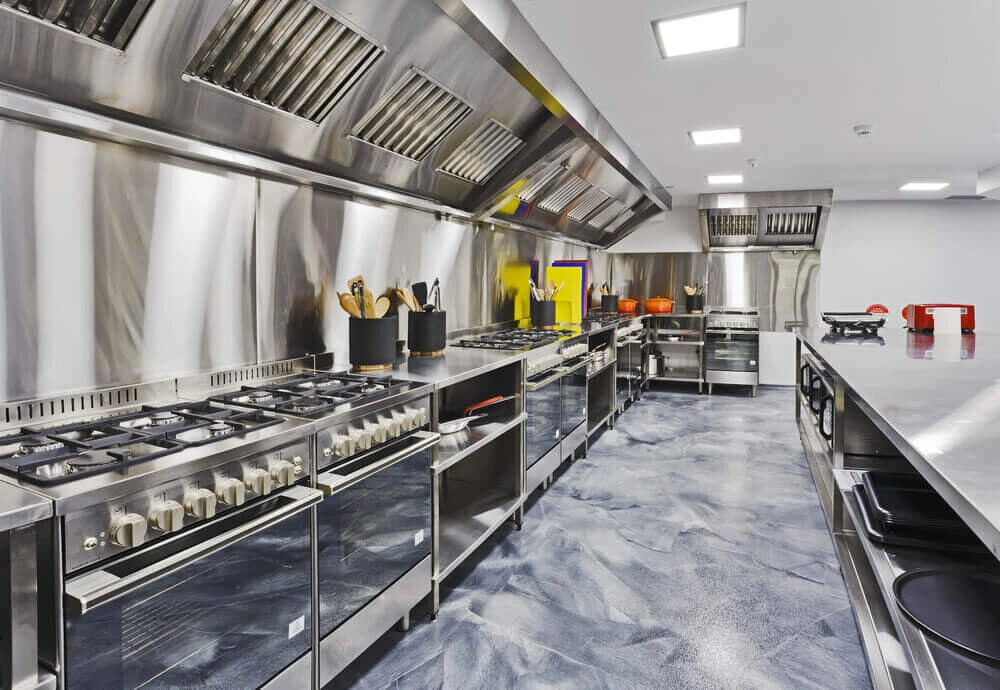
How to work with a Commercial Cleaning Company like Impeccable Cleaning NYC
When evaluating a provider, ask for references that specifically discuss transitioning to greener products. Request to see trial results, not just marketing materials. A competent vendor will offer a short pilot in one building or floor, collect data on product usage and labor time, and provide a plan to scale changes only after the pilot demonstrates parity or improvement.
Also inquire about training programs. Sustainable products require different techniques and care. If a company supplies microfibre cloths but lacks laundering protocols, the performance will degrade. If they propose refillable concentrate systems, ask about logistics: how will refills be stored, who signs off on dilution rates, and what is the plan for emergency spills.
Final practical advice before you decide
Invest in a six- to eight-week pilot before a full rollout. Track three metrics: cleaning quality as judged by staff and tenants, product usage per square foot, and incident reports tied to odors or residues. Expect an adjustment window where labor time might tick up slightly while teams learn new techniques. That is normal. If, after the pilot, cleaning quality matches or improves, the operational savings and tenant satisfaction gains typically justify wider adoption.
Switching to eco-friendly supplies is not a one-and-done PR move. It requires a partnership between clients and the Commercial Cleaning Company. When both sides commit to realistic goals, measure outcomes, and adapt techniques, the result is cleaner spaces, healthier occupants, and lower environmental impact. For those searching for reliable cleaning services in NYC, Impeccable Cleaning NYC combines hands-on experience with practical sustainability. We help clients find the balance between performance and responsibility, and we back product choices with field-tested protocols so the promise https://share.google/9RbOB91NdRbUZyDTR of green cleaning becomes measurable and repeatable.
Impeccable Cleaning NYC
130 Jane St Apt 1F, New York, NY 10014
+1 (347) 483-3992
[email protected]
Website: https://www.impeccablecleaningnyc.com/